
"coffee plant survival"
1000 article(s) found

Introduction to the characteristics of Yunnan "small Coffee" Tieka Coffee Flavor Manor
So when Nestl é succeeded in promoting high-yield new varieties in Pu'er in the 1990s, brown farmers in Baoshan also cut down the old varieties and changed them to new ones. With a round of coffee expansion, the new varieties increased and the old varieties decreased day by day. Finally, today's situation: the old varieties have almost been cut down, and the little ones that survived are old, weak, sick and old.

Description of Arabica Coffee Flavor of Highland Coffee beans introduction to the taste of varieties treated by grinding degree
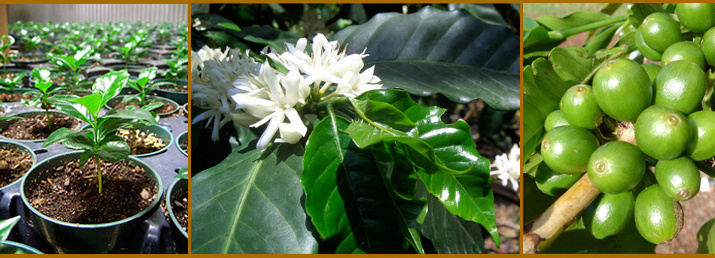
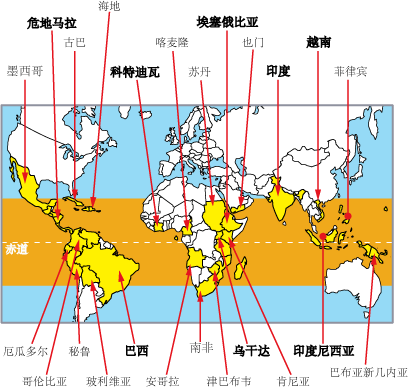
Studies on planting distribution have proved that Arabica is very sensitive to environmental changes and can survive only in a very narrow temperature range. Arabica coffee trees grow between 900m and 2000 m above sea level; they are cold-resistant, and the suitable growth temperature is 1524 ℃; they need more humidity, annual rainfall is not less than 1500 ml, and higher cultivation techniques and conditions are required.

A brief introduction to the Market Price of Fine Coffee Bean varieties in Hartman Manor, Panama
Manor: Panamanian Hartman Manor Honey country: Panama Panama producing area: Volcan breed: Arabica altitude: 1260-1500Meters treatment: honey treated Honey after the beginning of World War I, he was abandoned as a little boy. Thanks to his mother, he was able to hide in a ship bound for Pennsylvania and survived.
How to plant coffee trees, how to
If you pay careful attention, the words ShadeGrown will be marked on some raw bean sacks, or in some more serious introductions of raw beans, which are mostly translated into Chinese for shade planting. The so-called shade planting refers to the most praised Arabica species of coffee varieties, which accounts for six to seven percent of the global coffee production statistics.

Global coffee producing area-Reunion
In 1715, the first coffee trees (about 40) were transported from the Yemeni port of Moka to LaReunion, but unfortunately only two survived. By 1719, coffee plantations had begun to flourish and the first coffee beans were sold. Over the next few years, the government took a hard measure: the islanders, black and white, had to plant 100 coffee trees a year. The law of 1723
The coffee producing area of Reunion.
In 1715, the first coffee trees (about 40) were transported from the Yemeni port of Moka to LaReunion, but unfortunately only two survived. By 1719, coffee plantations had begun to flourish and the first coffee beans were sold. Over the next few years, the government took a hard measure: the islanders, black and white, had to plant 100 coffee trees a year. The law of 1723

The characteristics of Reunion Coffee
In 1715, the first coffee trees (about 40) were transported from the Yemeni port of Moka to LaReunion, but unfortunately only two survived. By 1719, coffee plantations had begun to flourish and the first coffee beans were sold. Over the next few years, the government took a hard measure: the islanders, black and white, had to plant 100 coffee trees a year. The law of 1723

Global coffee producing area-Reunion
In 1715, the first coffee trees (about 40) were transported from the Yemeni port of Moka to LaReunion, but unfortunately only two survived. By 1719, coffee plantations had begun to flourish and the first coffee beans were sold. Over the next few years, the government took a hard measure: the islanders, black and white, had to plant 100 coffee trees a year. The law of 1723

Recommended by coffee and bean producing countries of Reunion
In 1715, the first coffee trees (about 40) were transported from the Yemeni port of Moka to La Runion, but unfortunately only two survived. By 1719, coffee plantations had flourished and the first beans were sold. Over the next few years, the government took a hard measure: the islanders, black and white, had to plant 100 coffee trees a year. The law was amended in 1723
Coffee producing area-- Reunion
In 1715, the first coffee trees (about 40) were transported from the Yemeni port of Moka to La Runion, but unfortunately only two survived. By 1719, coffee plantations had flourished and the first beans were sold. Over the next few years, the government took a hard measure: the islanders, black and white, had to plant 100 coffee trees a year. The law was amended in 1723
Changsha residents are expected to drink locally grown coffee
At the coffee bean planting base, a staff member picked a pod shaped like a bean and peeled it off in front of a reporter, exposing brown coffee beans the size of rice grains. Put it in front of your nose and smell the faint aroma of coffee. Now that some coffee beans are ripe, the staff member said that what is grown here is a kind of herbal coffee, which will all be ripe in October.
Basic knowledge of boutique coffee Reunion's coffee
In 1715, the first coffee trees (about 40) were transported from the Yemeni port of Moka to LaReunion, but unfortunately only two survived. By 1719, coffee plantations had begun to flourish and the first coffee beans were sold. Over the next few years, the government took a hard measure: the islanders, black and white, had to plant 100 coffee trees a year. The law of 1723

Fruit juice taste of Hartman Manor in Panama the cultivation of boutique coffee beans geographical location climate elevation
Manor: Panamanian Hartman Manor Honey country: Panama Panama producing area: Volcan breed: Arabica altitude: 1260-1500Meters treatment: honey treated Honey after the beginning of World War I, he was abandoned as a little boy. Thanks to his mother, he was able to hide in a ship bound for Pennsylvania and survived.

Boutique Coffee beans: an introduction to "Shade planting" Coffee Shade Grown
If you pay close attention to it, some raw bean sacks will be marked with the word Shade Grown, and most of them will be shaded and planted in Chinese. The so-called shade planting refers to the most praised Arabica species among the coffee varieties. The output of this variety accounts for 60% to 70% of the statistics of global coffee production, and is considered to be a coffee with excellent flavor that can be tasted carefully. Relative to Robes.

Brief introduction to the Market Price of Fine Coffee Bean varieties in Hartman Manor of Panama with Litchi Fruit
Flavor description: dark chocolate, dark fruit aroma, bright citrus acid, round fruit taste, drupe tone, honey, citrus, apple, with delicate floral aromas. After the beginning of World War I, he was abandoned as a little boy. Thanks to his mother, he was able to hide in a ship bound for Pennsylvania and survived. Both of his brothers are here.

A brief introduction to the Market Price of Fine Coffee Bean varieties in Hartman Manor, Panama
After the beginning of World War I, he was abandoned as a little boy. Thanks to his mother, he was able to hide in a ship bound for Pennsylvania and survived. Both of his brothers died in the war after joining the army. Luis Hartmann traveled to some countries with his friends until he came to Panama in 1911 and was in Chiriki in 1912.

High-quality coffee bean producing countries introduce Reunion's coffee
In 1715, the first coffee trees (about 40) were transported from the Yemeni port of Moka to LaReunion, but unfortunately only two survived. By 1719, coffee plantations had begun to flourish and the first coffee beans were sold. Over the next few years, the government took a hard measure: the islanders, black and white, had to plant 100 coffee trees a year. The law of 1723

The port of Mocha in Yemen is transported to the Reunion single Coffee Manor.
In 1715, the first coffee trees (about 40) were transported from the Yemeni port of Moka to La Runion, but unfortunately only two survived. By 1719, coffee plantations had flourished and sold the first coffee beans. Over the next few years, the government adopted a rigid measure: residents of the island, whether black or white, had to plant 10% a year.
Coffee producing area Coffee introduction Reunion Coffee
Is no longer the hometown of bourbon Arabica coffee beans. In 1715, the first coffee trees (about 40) were transported from the Yemeni port of Moka to La Runion, but unfortunately only two survived. By 1719, coffee plantations had begun to flourish and the first coffee beans were sold. Over the next few years, the government took a hard measure: the islanders, whether black or white, had to
The characteristics of Arabica beans coffee producer reunion coffee beans reunion
Reunion is no longer the hometown of bourbon Arabica coffee beans. In 1715, the first coffee trees (about 40) were transported from the Yemeni port of Moka to La Runion, but unfortunately only two survived. By 1719, coffee plantations had begun to flourish and the first coffee beans were sold. Over the next few years, the government adopted a rigid measure: no matter whether the island's residents were black or black.